
10 Tips for a Sensory-Friendly & Neuroinclusive Holiday
With changes to routines and schedules, gift-giving, and travel, the holiday season can be intense for all of us. Here are a few tips to make your celebrations welcoming for everyone!
HOW CAN I Prepare someone for an unfamiliar holiday gathering?
A little preparation can go a long way! Holiday gatherings often involve unfamiliar people, places, foods, sounds, and routines. Share what to expect ahead of time using pictures, videos, social stories, or a simple conversation. Explain who will be there, what activities are planned, what food will be served, and how long the gathering might last. For adults, consider sharing a schedule or itinerary so everyone knows what to expect.
TIP #1: Create a visual schedule or calendar that highlights the day's activities and any changes to the usual routine.
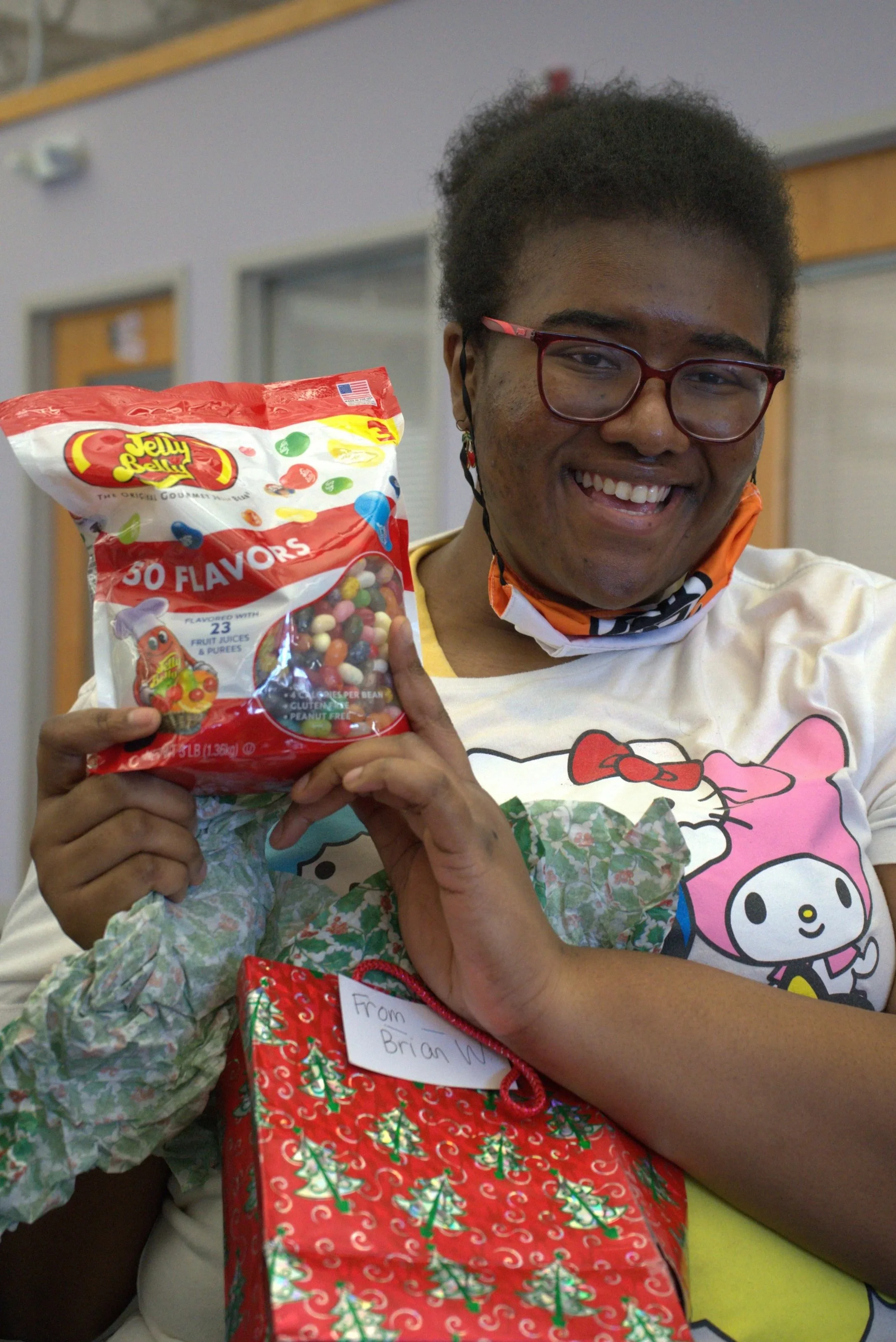
how can I make holiday decorations and environments more SENSORY-FRIENDLY?
Remember that festive doesn't have to mean overwhelming! Flashing lights, loud musical decorations, strong fragrances, and crowded spaces can create sensory overload. Consider using soft lighting, keeping music at a comfortable volume, avoiding heavily scented candles, and providing a quieter space away from the hustle and bustle.
TIP #2: Ask guests about their sensory preferences before decorating or planning activities. Sometimes less really is more!
What can I do if someone becomes overwhelmed during a holiday celebration?
Make space for breaks without making someone feel like they're missing out. Identify a quiet room or designated retreat space where someone can decompress. This might include comfortable seating, headphones, fidgets, weighted items (if preferred), or simply a place to be alone. Remember, taking a break is self-regulation, not a disruption.
TIP #3: Let everyone know where the quiet space is when they arrive, so they can access it independently whenever they need it.
how can I Make holiday meals more inclusive?
Food is about more than what's on the plate! Different textures, smells, temperatures, and flavors can make holiday meals challenging for people with sensory sensitivities. Avoid pressuring anyone to try unfamiliar foods or finish their plate. Include familiar and preferred foods alongside traditional holiday dishes, and allow people to eat when and where they feel most comfortable.
TIP #4: Consider serving foods separately rather than combining them into casseroles or mixed dishes. And remember: a meal doesn't have to look traditional to be meaningful!
how do i navigate social expectations and holiday conversations?
Connection doesn't have to look the same for everyone. Holiday gatherings often come with expectations around greetings, eye contact, hugs, small talk, and group participation. Remember that not everyone communicates or connects in the same way. Don't require hugs, handshakes, eye contact, or verbal responses. Some people may prefer parallel activities, one-on-one conversations, or communicating through Augmentative and Alternative Communication (AAC).
TIP #5: Offer greeting choices (a wave, fist bump, verbal hello, or no greeting at all) and let people decide how they want to participate.
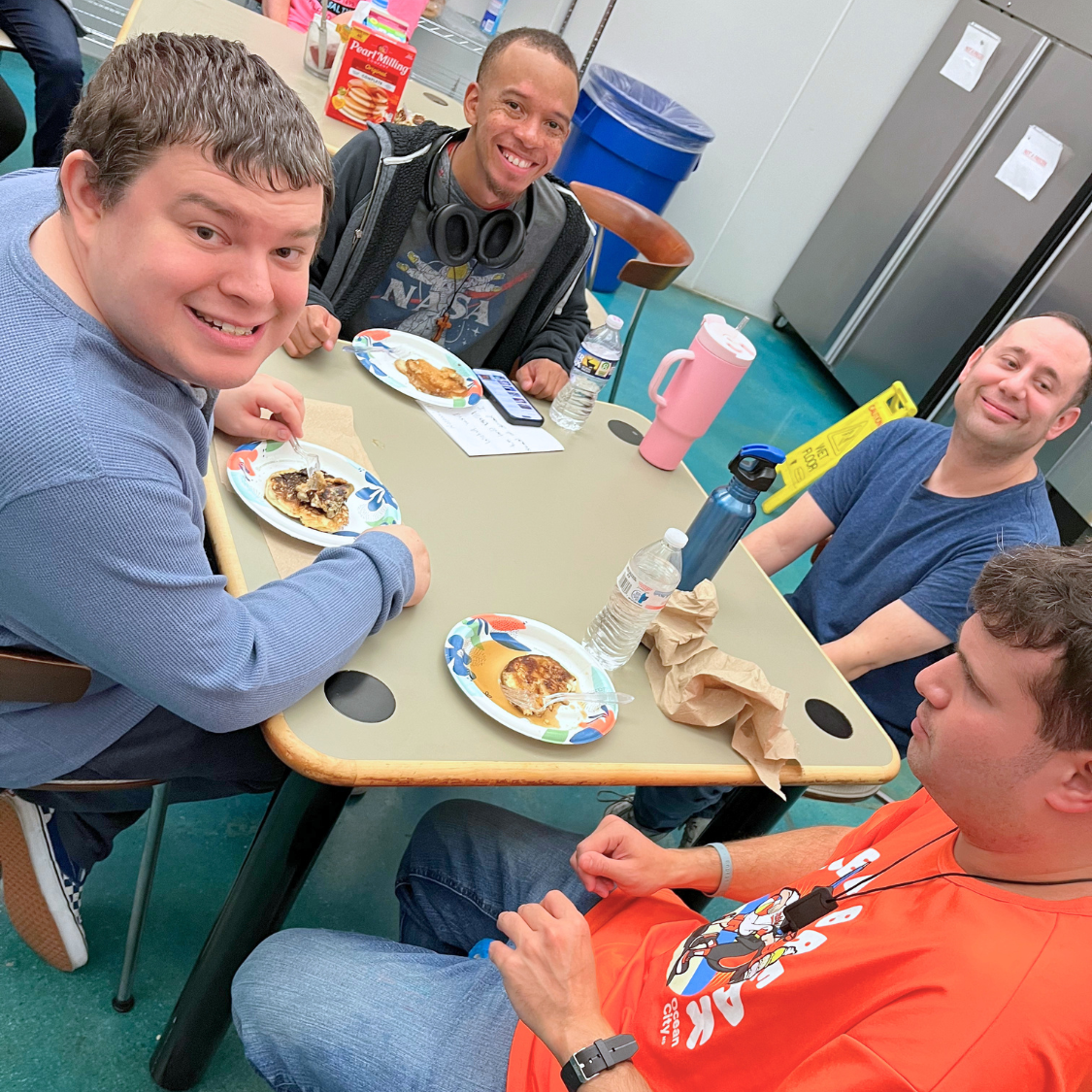
how can I make holiday traditions more neuroinclusive?
Traditions should bring joy, not create obligations. Whether it's decorating cookies, opening presents, attending religious services, watching holiday movies, or visiting Santa, allow people to participate in the ways that work best for them. They may enjoy watching instead of participating, joining for only part of an activity, or creating an entirely new tradition.
TIP #6: Try offering two or three activity choices rather than expecting everyone to participate in the same activity.
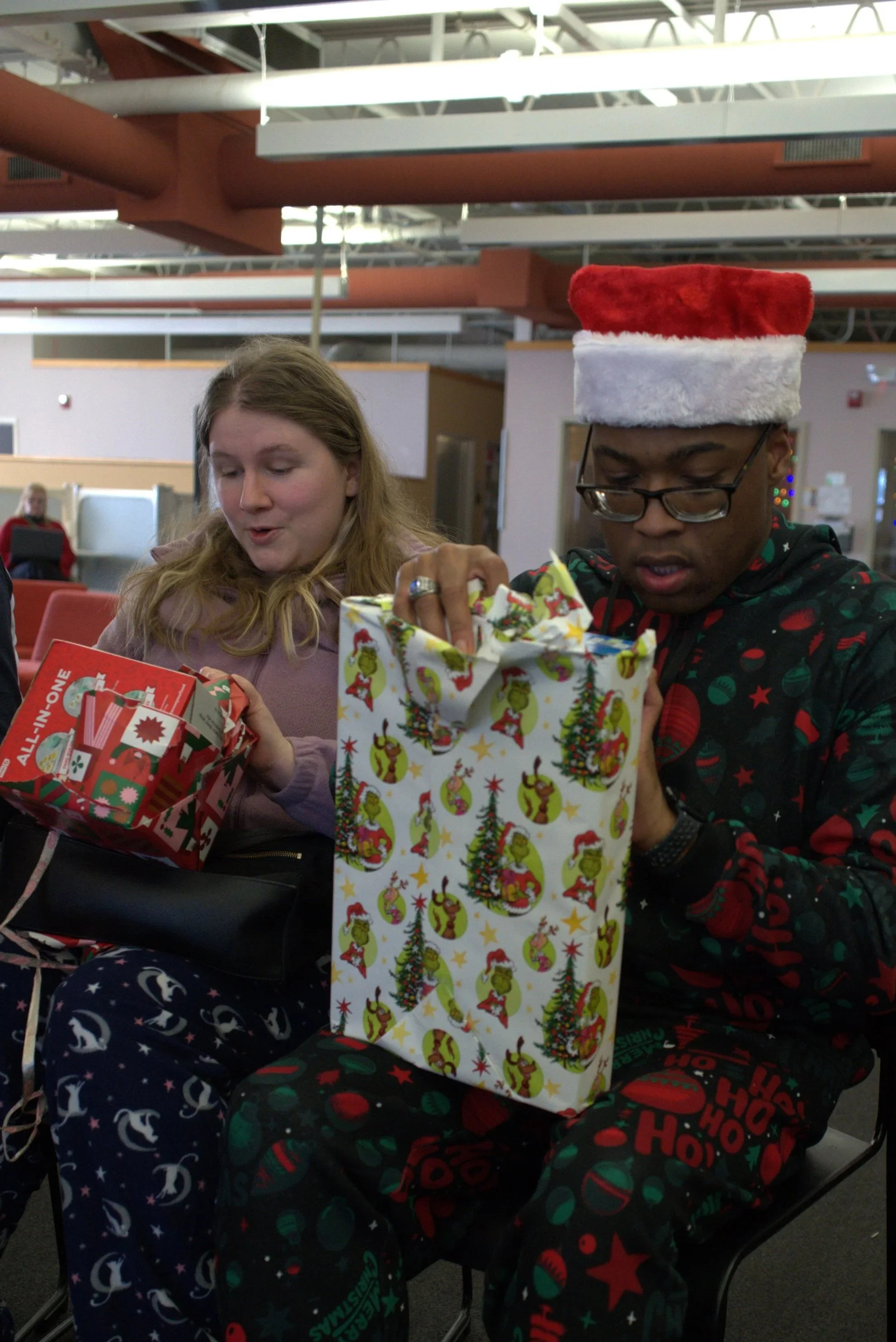
what should I consider when giving holiday gifts?
Thoughtful gifts consider the recipient's interests, preferences, and sensory needs. Avoid assuming that everyone enjoys surprises, certain textures, noisy toys, or particular types of experiences. Consider asking about preferred items or providing a wish list. Remember that some people may prefer experiences, practical items, or time spent together over traditional gifts.
TIP #7: Don't require someone to open a gift in front of everyone, demonstrate excitement, or provide an immediate verbal thank-you. Appreciation can look different for everyone.
how can I make holiday travel and outings easier?
Plan for the journey, not just the destination. Airports, shopping centers, holiday performances, and family visits can be unpredictable and overstimulating. Whenever possible, travel during less crowded times, build in extra transition time, and bring familiar comfort items, snacks, headphones, or communication supports.
TIP #8: Look into sensory-friendly performances, relaxed museum hours, accessible attractions, and other accommodations before heading out.
How can i support SOMEONE who needs a different routine during the holidays?
Flexibility is one of the greatest gifts you can give. The holidays often disrupt familiar schedules, sleep routines, mealtimes, and activities. Try to maintain some predictable elements throughout the day. Communicate changes in advance and allow extra time for transitions. This is just as important for autistic adults as it is for children!
TIP #9: Keep a few familiar routines in place, such as a favorite morning activity, regular meal times, or a consistent bedtime.
WHat if someone doesn’t want to participate in a holiday celebration?
Honor their autonomy and remember that participation is always a choice. Someone may choose to attend for a short time, skip an activity, celebrate on a different day, or not participate at all. Avoid interpreting this as being antisocial, ungrateful, or unwilling to connect. Respecting someone's boundaries and preferences is an important part of inclusion.
TIP #10: Instead of asking, "Why don't you want to come?" try asking, "What would make this experience more comfortable or enjoyable for you?"
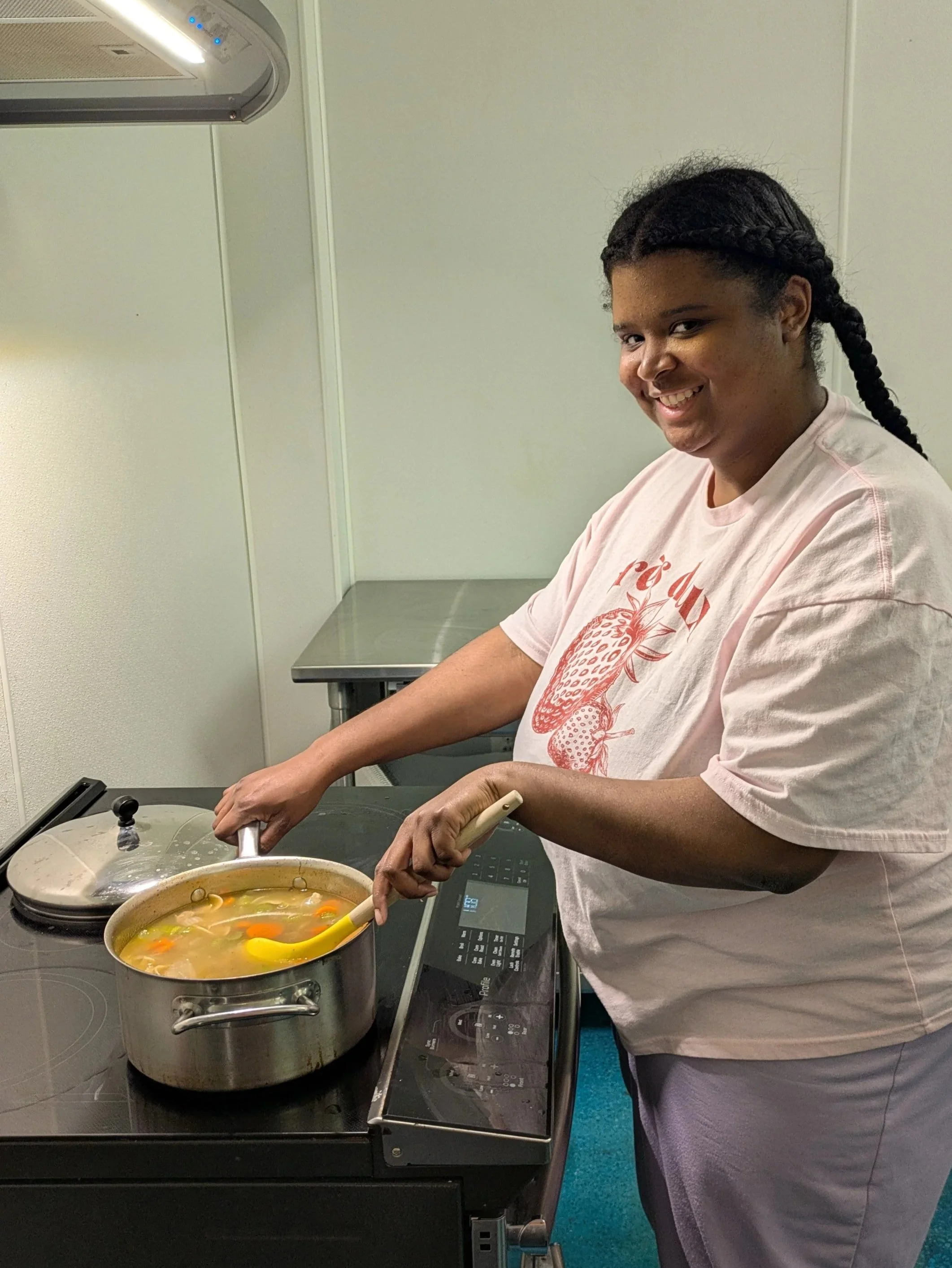
Holidays, celebrations, and vacations are for everyone. We will use these tips as we navigate our seasonal get-togethers, and we hope you will too!
If you or someone you know is an autistic adult looking for resources, support, and community, we encourage you to reach out to us at Itineris through our admissions page, and follow our socials to learn more about how we empower autistic adults in Baltimore to live their most meaningful lives.
We hope you and your family have a wonderful season!